When it comes to table decor, the devil is in the details. One such detail that can make a significant difference is the way you fold your luncheon napkins. A beautifully folded luncheon napkin can add a touch of elegance and sophistication to your table setting, making your guests feel special and appreciated. In this article, we will explore the art of folding luncheon napkins and how you can master it to elevate your table decor.
Understanding the Luncheon Napkin Size
Before we delve into the different folding techniques, it’s important to understand the luncheon napkin size. Typically, a luncheon napkin measures around 6 to 6.5 inches square, although the size can vary slightly depending on the brand. This size is perfect for folding into a variety of shapes and designs, and it’s also the ideal size for placing on a luncheon plate.
Basic Folding Techniques
There are several basic folding techniques that you can use to create a variety of designs with your luncheon napkins. Here are a few to get you started:
The Square Fold
The square fold is one of the simplest and most classic luncheon napkin folds. To create this fold, simply fold the napkin in half diagonally, then fold it in half again. This will create a small square that can be placed on the plate or next to it.
The Triangle Fold
The triangle fold is another simple yet elegant fold. To create this fold, fold the napkin in half diagonally, then fold the resulting triangle in half again. This will create a smaller triangle that can be placed on the plate or next to it.
The Fan Fold
The fan fold is a bit more complex, but it creates a stunning effect. To create this fold, accordion-fold the napkin lengthwise, then fold it in half. This will create a fan shape that can be placed on the plate or next to it.
Advanced Folding Techniques
Once you’ve mastered the basic folding techniques, you can move on to more advanced folds. These folds require a bit more time and patience, but they can truly elevate your table decor.
The Rose Fold
The rose fold creates a beautiful rose shape out of your luncheon napkin. To create this fold, start by folding the napkin in half diagonally, then roll the folded edge towards the point. Next, roll the napkin into a spiral, tucking the end underneath to secure it. This will create a rose shape that can be placed in a glass or on the plate.
The Bishop’s Hat Fold
The bishop’s hat fold creates a tall, impressive shape that can be placed on the plate or next to it. To create this fold, start by folding the napkin in half diagonally, then fold the corners up to meet the top point. Fold the bottom edge up, then fold it back down to create a cuff. Finally, turn the napkin over and fold it in half.
In conclusion, mastering the art of folding luncheon napkins can add a touch of elegance and sophistication to your table decor. Whether you’re hosting a formal dinner party or a casual lunch, a beautifully folded luncheon napkin can make all the difference. So why not give it a try? You might be surprised at how much fun it can be!
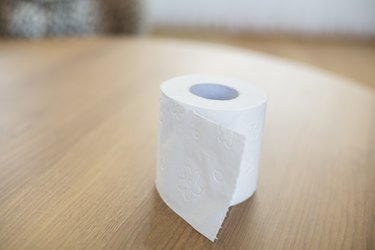
Toilet paper, a seemingly simple product, is an essential commodity that is used by millions of people around the globe every day. Its importance is often overlooked until it runs out, and only then do we realize its significance in our daily lives. Despite its simple appearance, the manufacturing process of toilet paper is anything but. It is a complex process that requires various steps to ensure the final product meets the demands and expectations of consumers. In this step-by-step guide of how to manufacture toilet paper, we will explore the manufacturing process of toilet paper, providing insights into the industry and the intricacies involved in creating this everyday essential.
Outline of how to manufacture toilet paper
Raw Materials
Pulping
Paper Machine
Drying
Cutting and Packaging
Quality Control
Environmental Considerations
Conclusion
Raw Materials
The journey of a roll of toilet paper begins with sourcing the raw materials. The primary raw material used in the production of toilet paper is wood pulp. Wood pulp is obtained from trees, specifically softwood trees like pine and fir, which have long fibers that provide strength and prevent tearing. The trees are cut down, debarked, and then chipped into small pieces. These wood chips are then processed to remove impurities and create a smooth, fibrous material that forms the base of the toilet paper.
In addition to wood pulp, other materials are also used in the manufacturing process. These include water, which is used in large quantities to create a pulp mixture, and chemicals, which are used to break down the wood chips and to bleach the pulp. Additives such as wet strength resins may also be used to improve the strength of the paper when wet.
Pulping
Once the raw materials are sourced and prepared, they are sent to a pulping machine. This machine is essentially a large blender that breaks down the wood chips into small fibers. The pulping machine mixes the wood chips with water and chemicals, creating a slurry. This process, known as pulping, helps to separate the fibers and create a pulp mixture that is suitable for making toilet paper.
The pulp is then cleaned to remove any remaining impurities, such as dirt or bark. This is done using a series of screens and centrifugal cleaners. The cleaned pulp is then ready to be turned into paper.
Paper Machine
After the pulping process, the pulp mixture is transferred to a paper machine. This machine is a large, complex piece of equipment that is responsible for transforming the pulp mixture into a continuous sheet of paper. The pulp mixture is spread evenly onto a wire mesh conveyor belt, known as the forming fabric. As the pulp travels along this belt, water drains through the mesh, leaving behind a mat of intertwined fibers.
This mat then passes through a series of rollers in a section of the machine known as the press section. Here, more water is squeezed out of the mat, and the fibers begin to bond together, forming a sheet of paper. The paper then passes through a drying section, where it is exposed to heated rollers or cylinders that remove any remaining moisture.
Drying
Once the paper has been formed, it is passed through a series of heated rollers to remove any remaining moisture. This drying process is crucial as it ensures that the paper is strong and durable, making it suitable for use as toilet paper. The temperature and speed of the drying process are carefully controlled to achieve the desired results.
The dried paper is then wound onto large reels, ready for the next stage of the process. At this point, the paper is still quite rough, so it is passed through a machine that lightly coats it with a lotion or wax to make it softer to the touch.
Cutting and Packaging
After the paper has been dried and softened, it is cut into individual sheets using a cutting machine. The size of the sheets can vary depending on the requirements of the market, but typically, they are around 4.5 inches by 4.5 inches. Once the sheets have been cut, they are wound onto cardboard tubes to create rolls.
The rolls are then packaged into individual wrappers or bundled into packs. The packaging process is automated and ensures that the toilet paper is hygienically sealed and ready for distribution. The packaged rolls are then boxed and prepared for shipping to retailers.
Quality Control
Throughout the manufacturing process, strict quality control measures are implemented to ensure that the toilet paper meets the highest standards. Samples of the paper are regularly taken and tested for a variety of properties, including strength, softness, and absorbency.
These tests are conducted in a laboratory and involve a range of equipment, from simple hand-held devices to sophisticated machines. Any defects or inconsistencies are identified and corrected to ensure that the final product is of the highest quality. This rigorous quality control process is crucial in maintaining the reputation of the manufacturer and ensuring customer satisfaction.
Environmental Considerations
The toilet paper industry is acutely aware of the environmental impact of its manufacturing process and has taken significant steps to minimize its carbon footprint. Many manufacturers now use recycled paper as a raw material, reducing the need for virgin wood pulp. This not only saves trees but also uses less water and energy than the process of making paper from fresh wood pulp.
Additionally, water and energy-saving technologies are employed to reduce waste and conserve resources. The industry is also exploring alternative materials, such as bamboo and hemp, which grow quickly and require less water and pesticides than traditional trees. These initiatives reflect the industry’s commitment to sustainability and its efforts to balance the demands of production with the need to protect the environment.
Conclusion
The manufacturing process of toilet paper involves several intricate steps that ensure the final product is of high quality and meets the demands of consumers. From sourcing the raw materials to cutting and packaging the finished product, each step is carefully executed to create toilet paper that is strong, soft, and absorbent. The toilet paper industry is also committed to minimizing its environmental impact through the use of recycled materials and sustainable manufacturing practices. By understanding the manufacturing process of toilet paper, consumers can make informed choices and support companies that prioritize quality and sustainability. This guide provides a comprehensive overview of the process, shedding light on the complexities involved in creating this everyday essential.
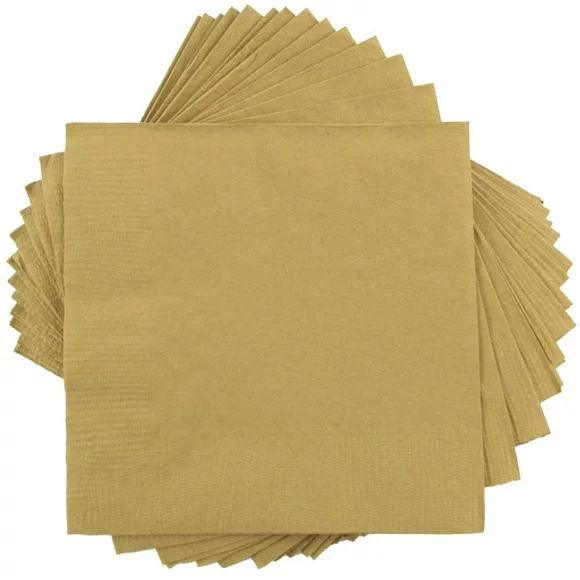
When it comes to choosing the right napkins for your event, restaurant, or home, the decision may seem simple. However, the choice of napkins can have a significant impact on the environment. This is where compostable brown napkins come into play. These brown paper napkins are not only aesthetically pleasing but also environmentally friendly.
Why Choose Compostable Brown Napkins?
Compostable brown napkins are an incredibly eco-friendly option as they are crafted with the use of completely recycled materials. This means that by utilizing these napkins, you are actively participating in sustainable practices by reducing the demand for additional resources. Moreover, when disposed of, these napkins naturally undergo decomposition, aiding in the reduction of waste and thus playing a crucial role in fostering a healthier and cleaner environment for our present as well as future generations.
Sustainability
Compostable brown napkins are made from post-consumer waste, meaning they are created from materials that have already served a purpose and would otherwise end up in a landfill. By choosing these napkins, you are actively participating in reducing waste and promoting a circular economy.
Aesthetics
Brown paper napkins have a distinctive rustic and natural appearance that effortlessly blends with and enhances the aesthetic appeal of any given decor, adding an organic touch that is truly unmatched. Due to their inherent charm and versatility, these napkins are an exemplary choice for a wide array of settings, including but not limited to casual dining establishments where patrons can revel in the soothing ambiance they create, outdoor events which benefit from their earthy allure, and eco-friendly weddings where these napkins perfectly align with the ecological theme. Additionally, their neutral hue allows them to seamlessly fit into any occasion, making them an ideal accompaniment for both formal and informal gatherings alike.
Cost-Effectiveness
Buying brown napkins in bulk can be a highly advantageous and economically savvy solution for businesses or large-scale events that aim to optimize their expenditures and efficiency. This is primarily due to the fact that these napkins are meticulously crafted from recycled materials, rendering them not only more environmentally friendly but also significantly more cost-effective compared to their non-recycled counterparts. By capitalizing on this financially beneficial option, businesses and event organizers can effectively manage their budgets while simultaneously contributing to the conservation of our precious natural resources.
How to Choose the Right Brown Napkins
When choosing brown napkins, consider the following factors:
Size: Napkins come in various sizes, from cocktail napkins to dinner napkins. Choose the size that best fits your needs.
Material: Ensure the napkins are made from 100% recycled materials. This ensures they are truly compostable and environmentally friendly.
Quantity: If you’re buying in bulk, make sure to calculate the number of napkins you’ll need for your event or business.
There are numerous options available to individuals seeking to purchase compostable brown napkins in bulk, both through various online platforms and physical stores. These establishments offer a wide range of products to cater to different needs and preferences. Consequently, shoppers have the opportunity to explore different brands, materials, and pricing options before making a final purchase decision.
When embarking on the purchasing process, it is highly recommended to look for certifications such as the Green Seal or EcoLogo. These esteemed certifications serve as a guarantee that the napkins under consideration are indeed compostable and have been manufactured using recycled materials. They assure consumers that they are making an environmentally responsible choice, aligning with sustainability goals and principles.
Conclusion
Choosing compostable brown napkins over traditional paper napkins is a small step towards a more sustainable future. They are not only environmentally friendly but also cost-effective and aesthetically pleasing. So, the next time you need to buy bulk paper napkins, consider compostable brown napkins. They are a choice you can feel good about.
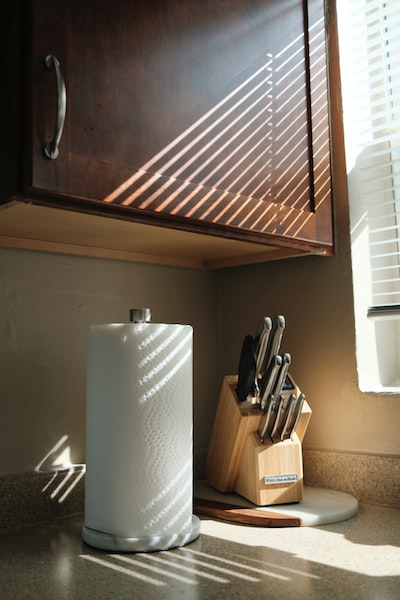
Kitchen towels paper, also known as kitchen rolls, are an essential item in every household. They are versatile, convenient, and help maintain cleanliness in your kitchen. However, with the myriad of options available in the market, choosing the right kitchen paper towel can be a daunting task. This guide aims to simplify that process for you.
Understanding Kitchen Paper Towels
Before diving into the selection process, it’s important to understand what kitchen paper towels are and their uses. Kitchen paper towels are absorbent towels made from paper. They are used for cleaning, wiping, and drying surfaces in the kitchen. They are disposable, making them a hygienic option for cleaning up spills, wiping down countertops, and drying hands.
Factors to Consider When Choosing Kitchen Towels Paper
When choosing a kitchen roll, there are several factors to consider:
1. Absorbency
The primary function of a kitchen paper towel is to absorb liquids. Therefore, the absorbency of the towel is a crucial factor to consider. Look for kitchen rolls that can absorb spills efficiently and quickly.
2. Strength
A good kitchen paper towel should be strong enough to withstand scrubbing and cleaning without tearing. It should hold up well when wet and not disintegrate easily.
3. Size
Kitchen paper towels come in various sizes. Some are available in full-size sheets, while others come in smaller, select-a-size sheets. Choose a size that suits your needs.
4. Price
While it’s tempting to go for the cheapest option, remember that you often get what you pay for. Cheaper kitchen towel paper roll may not be as absorbent or strong, requiring you to use more sheets, which could end up costing more in the long run.
Conclusion
Choosing the right kitchen paper towel involves considering factors like absorbency, strength, size, and price. Once you’ve made your choice, consider investing in a Paper Towel Holder to store your kitchen roll stylishly and conveniently. With the right kitchen paper towels and holder, maintaining cleanliness in your kitchen becomes a breeze.
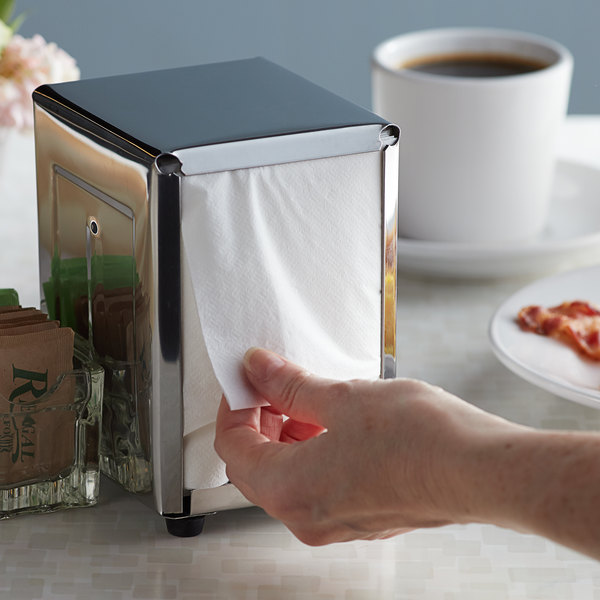
Dispenser napkins are an essential item for any business, whether it’s a restaurant, café, or office. These napkins not only provide convenience and cleanliness for customers and employees, but they also offer a cost-effective solution for businesses. In this blog post, we will explore the various benefits of dispenser napkins and why they are a must-have for any business.
Benefits of Dispenser Napkins
Convenience
Dispenser napkins are easily accessible and can be placed in strategic locations throughout the business premises.
Customers and employees can quickly grab a napkin whenever they need one, without having to search for a stack of napkins or ask for assistance.
Hygiene
Dispenser napkins are individually wrapped, ensuring that each napkin is clean and sanitary.
The dispenser design prevents contamination and minimizes the risk of spreading germs or bacteria.
Cost-effective
Dispenser napkins are typically made from high-quality materials that are more durable than traditional napkins.
The one-at-a-time dispensing feature helps reduce waste and control usage, resulting in cost savings for the business.
Types of Dispenser Napkins
Interfold Dispenser Napkins
These napkins are folded in a zigzag pattern and are designed to fit into a specific dispenser.
Interfold dispenser napkins are easy to grab and unfold, making them ideal for quick and efficient use.
Fullfold Dispenser Napkins
Fullfold dispenser napkins are folded in half and then in half again, creating a compact size that fits neatly into a dispenser.
These napkins are perfect for businesses with limited space as they take up less room in the dispenser.
Tallfold Dispenser Napkins
Tallfold dispenser napkins are taller in size compared to other types of dispenser napkins.
These napkins are commonly used in restaurants and cafes where customers may need a larger napkin for spills or to cover their laps.
Determine the volume of napkins your business requires on a daily basis.
Choose dispenser napkins that can accommodate your usage needs without frequent refilling.
Evaluate the Dispenser Design
Look for a dispenser that is easy to use and refill.
Consider the size and style of the dispenser to ensure it fits seamlessly into your business environment.
Quality and Material
Select dispenser napkins made from high-quality materials that are absorbent and durable.
Consider the thickness and softness of the napkins to provide a pleasant experience for customers and employees.
Conclusion
Dispenser napkins offer numerous benefits for businesses, including convenience, hygiene, and cost savings. By choosing the right type of dispenser napkins and evaluating the usage and dispenser design, businesses can ensure a seamless and efficient napkin solution. Investing in dispenser napkins is a must-have for any business looking to enhance customer satisfaction and maintain a clean and organized environment.