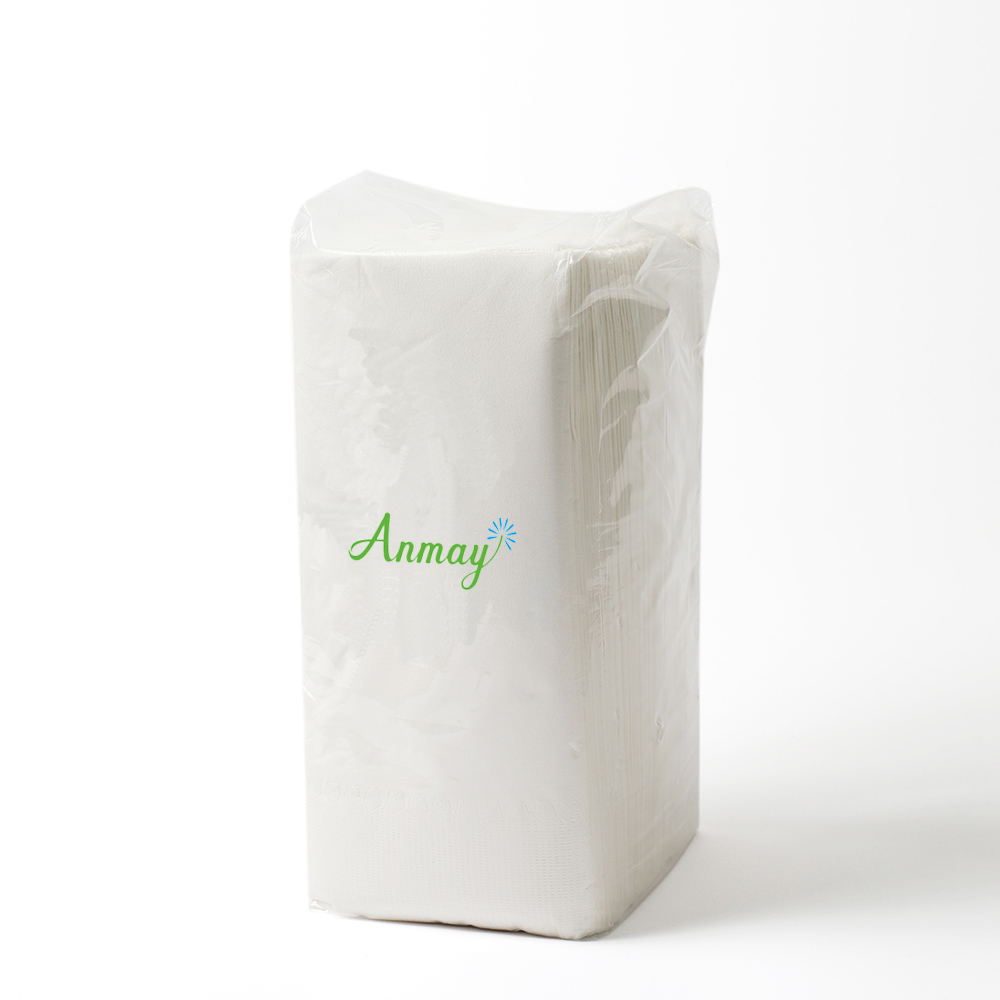
Toilet paper is a household essential that we use every day without much thought. But have you ever stopped to think about what happens to it after we flush it down the toilet? Is toilet paper biodegradable? Can it be composted? In this article, we will explore the biodegradability of toilet paper and its impact on the environment.
What is Biodegradability?
Before we dive into the biodegradability of toilet paper, let’s first understand what biodegradability means. Biodegradability is the ability of a substance to break down into natural elements, such as water, carbon dioxide, and biomass, by the action of microorganisms. In simpler terms, it is the process of decomposition by living organisms.
Is Toilet Paper Biodegradable?
The short answer is yes, toilet paper is biodegradable. Most toilet paper is made from natural materials such as wood pulp, bamboo, or recycled paper, which are all biodegradable. However, the biodegradability of toilet paper can vary depending on the type and brand.
Some toilet paper brands use chemicals and additives in their production process, which can slow down the biodegradation process. These chemicals can also be harmful to the environment and disrupt the natural decomposition process.
To ensure that your toilet paper is biodegradable, look for products that are labeled as “green” or “eco-friendly.” These products are typically made from sustainable materials and do not contain harmful chemicals.
Can Toilet Paper Be Composted?
Composting is the process of breaking down organic materials into a nutrient-rich soil amendment. It is an environmentally friendly way to dispose of waste and can help reduce the amount of waste sent to landfills.
While most toilet paper is biodegradable, not all types of toilet paper are suitable for composting. Some toilet paper brands use bleaching agents or dyes that can be harmful to the composting process. It is essential to check the packaging or do some research to ensure that your toilet paper is safe for composting.
Compostable toilet paper, on the other hand, is specifically designed to break down quickly and safely in a composting environment. These products are made from natural materials and do not contain any harmful chemicals. They are also typically free from plastic packaging, making them a more sustainable option.
The Environmental Impact of Toilet Paper
The average person uses about 100 rolls of toilet paper per year, which adds up to a lot of waste. But what happens to all that toilet paper after we flush it down the toilet?
Impact on Sewage Systems
Toilet paper is designed to break down quickly when exposed to water, making it safe to flush down the toilet. However, flushing too much toilet paper at once or using thick, multi-ply toilet paper can clog pipes and cause damage to sewage systems.
When toilet paper clogs pipes, it can lead to sewage backups and overflows, which can be costly to repair and harmful to the environment. It is essential to use toilet paper in moderation and choose a brand that is designed to break down easily.
Impact on Landfills
When toilet paper is not flushed down the toilet, it ends up in landfills. In landfills, toilet paper can take years to decompose, contributing to the growing problem of waste management. As toilet paper breaks down, it releases methane gas, a potent greenhouse gas that contributes to climate change.
By choosing biodegradable or compostable toilet paper, we can reduce the amount of waste sent to landfills and help mitigate the environmental impact of toilet paper.
How to Make Your Toilet Paper Usage More Sustainable
Now that we understand the impact of toilet paper on the environment, here are some tips to make your toilet paper usage more sustainable.
Choose Sustainable Brands
When shopping for toilet paper, look for brands that are labeled as “green” or “eco-friendly.” These products are typically made from sustainable materials and do not contain harmful chemicals. You can also look for certifications such as the Sustainable Forestry Initiative (SFI) to ensure that the toilet paper is responsibly sourced.
Use Less Toilet Paper
One of the easiest ways to reduce your environmental impact is to use less toilet paper. Instead of using a handful of toilet paper, try using just a few sheets. You can also switch to a bidet or use a reusable cloth for a more sustainable option.
Compost Your Toilet Paper
If you have a composting system, consider composting your toilet paper. Just make sure to use a brand that is safe for composting and avoid flushing any chemicals or additives down the toilet.
Recycle the Packaging
Toilet paper packaging is often made from plastic, which can take hundreds of years to decompose. Instead of throwing it away, recycle the packaging to reduce your environmental impact.
Conclusion
Toilet paper is an essential part of our daily lives, but it also has a significant impact on the environment. By choosing sustainable brands, using less toilet paper, and properly disposing of it, we can reduce our environmental impact and make our toilet paper usage more sustainable. Remember to look for biodegradable or compostable options and always follow proper disposal methods to help protect the planet.
Toilet paper is a household essential that we use every day, but have you ever stopped to wonder how long a toilet paper roll actually is? In this article, we’ll explore the length of a toilet paper roll, including the length of the tube and the amount of toilet paper on a roll. So, let’s dive in and answer the question: how long is a toilet paper roll?
The Length of a Toilet Paper Roll Tube
Before we can determine the length of a toilet paper roll, t need to understand the length of the tube that holds the toilet paper. The tube, also known as the core or cardboard roll, is the cylindrical center of the toilet paper roll that the paper is wrapped around.
The length of the tube can vary depending on the brand and type of toilet paper. On average, the length of a toilet paper roll tube is around 4 inches. However, some brands may have longer or shorter tubes, so it’s always best to check the packaging or measure it yourself.
Why Does the Tube Length Matter?
You may be wondering why the length of the tube is important when it comes to toilet paper. Well, the length of the tube can affect the overall length of the toilet paper roll and how much paper is on the roll.
For example, if a brand has a longer tube, it may appear that the roll has more paper on it, but in reality, it may have the same amount of paper as a roll with a shorter tube. This is because the paper is wrapped around the tube, so a longer tube means less paper on the roll.
The Length of Toilet Paper on a Roll
Now that we understand the length of the tube, let’s move on to the length of the actual toilet paper on a roll. This can vary greatly depending on the brand, type, and number of plies (layers) of the toilet paper.
On average, a standard roll of toilet paper has around 1000 sheets of paper. However, the length of each sheet can vary, so it’s difficult to determine the exact length of toilet paper on a roll. Some brands may have longer or shorter sheets, which can affect the overall length of the roll.
How to Measure the Length of Toilet Paper on a Roll
If you’re curious about the length of toilet paper on a roll, you can measure it yourself. Here’s how:
Start by removing all the paper from the roll and flattening it out.
Measure the length of one sheet of toilet paper.
Multiply the length of one sheet by the number of sheets on the roll (usually around 1000).
This will give you an estimate of the total length of toilet paper on the roll.
Keep in mind that this is just an estimate, as the length of each sheet can vary. Additionally, some brands may have larger or smaller sheets, which can affect the overall length of the roll.
Factors That Affect the Length of a Toilet Paper Roll
As we’ve mentioned, the length of a toilet paper roll can vary depending on several factors. Here are some of the main factors that can affect the length of a toilet paper roll:
Brand and Type of Toilet Paper
Different brands and types of toilet paper can have varying lengths. For example, a premium brand may have longer sheets and a longer tube, resulting in a longer overall length of the roll. On the other hand, a budget brand may have shorter sheets and a shorter tube, resulting in a shorter overall length.
Number of Plies (Layers)
The number of plies, or layers, of toilet paper can also affect the length of the roll. A roll with more plies will have thicker and more absorbent paper, which can result in a shorter overall length. On the other hand, a roll with fewer plies will have thinner paper and a longer overall length.
Sheet Size
As we mentioned earlier, the size of each sheet of toilet paper can vary between brands and types. Some brands may have larger sheets, resulting in a shorter overall length of the roll, while others may have smaller sheets, resulting in a longer overall length.
How Long Does a Toilet Paper Roll Last?
The length of a toilet paper roll can also depend on how often it is used and by how many people. A single person living alone may use less toilet paper than a family of four, resulting in the roll lasting longer.
Additionally, the number of plies and sheet size can also affect how long a roll lasts. A roll with more plies and larger sheets may last longer than a roll with fewer plies and smaller sheets.
How to Make Your Toilet Paper Roll Last Longer
If you’re looking to make your toilet paper roll last longer, there are a few things you can do:
Use less toilet paper: This may seem obvious, but using less toilet paper can make a big difference in how long a roll lasts. Try to use only what you need, rather than using excessive amounts.
Switch to a more absorbent brand: A more absorbent brand of toilet paper may mean you need to use less paper, resulting in the roll lasting longer.
Consider using a bidet: Bidets are a great alternative to toilet paper and can help reduce the amount of paper you use.
Conclusion
So, how long is a toilet paper roll? The answer is, it depends. The length of a toilet paper roll can vary depending on the brand, type, and number of plies. Additionally, the length of the tube and the size of each sheet can also affect the overall length of the roll.
While the exact length of a toilet paper roll may be difficult to determine, understanding the factors that can affect its length can help you make more informed decisions when purchasing toilet paper. And now, you’ll never have to wonder how long a toilet paper roll is again!
In recent years, private label products have been gaining popularity among consumers. Private label tissue, in particular, has seen a significant rise in demand due to its cost-effectiveness and quality. In this article, we will explore the reasons behind the rise of private label tissue and why it is a great alternative for both consumers and businesses.
What is Private Label Tissue?
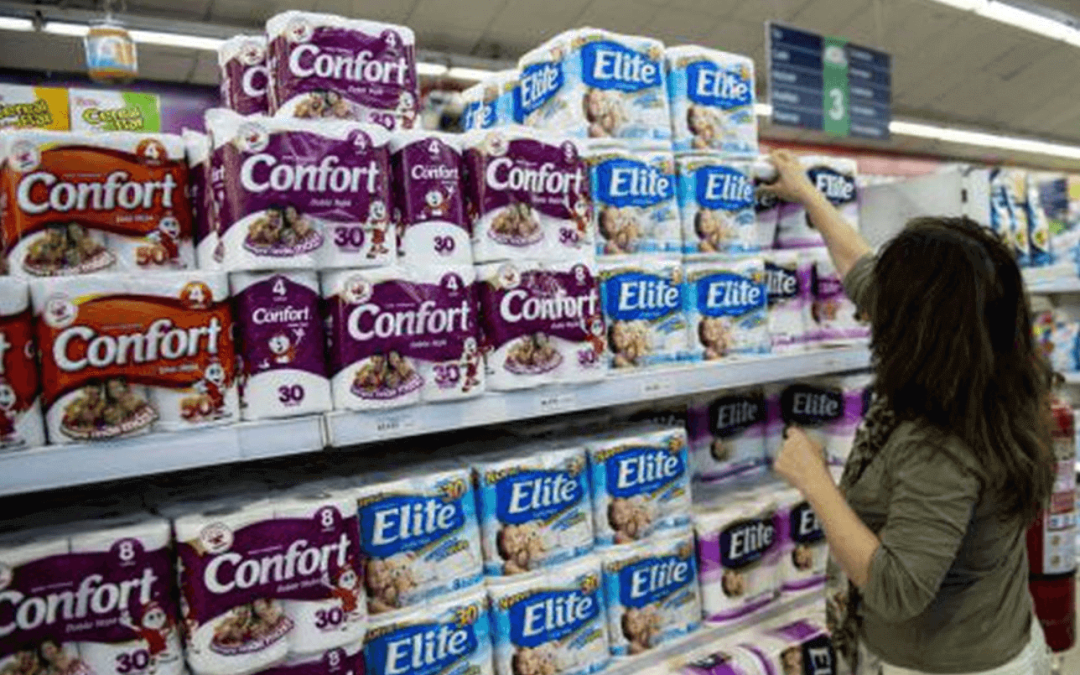
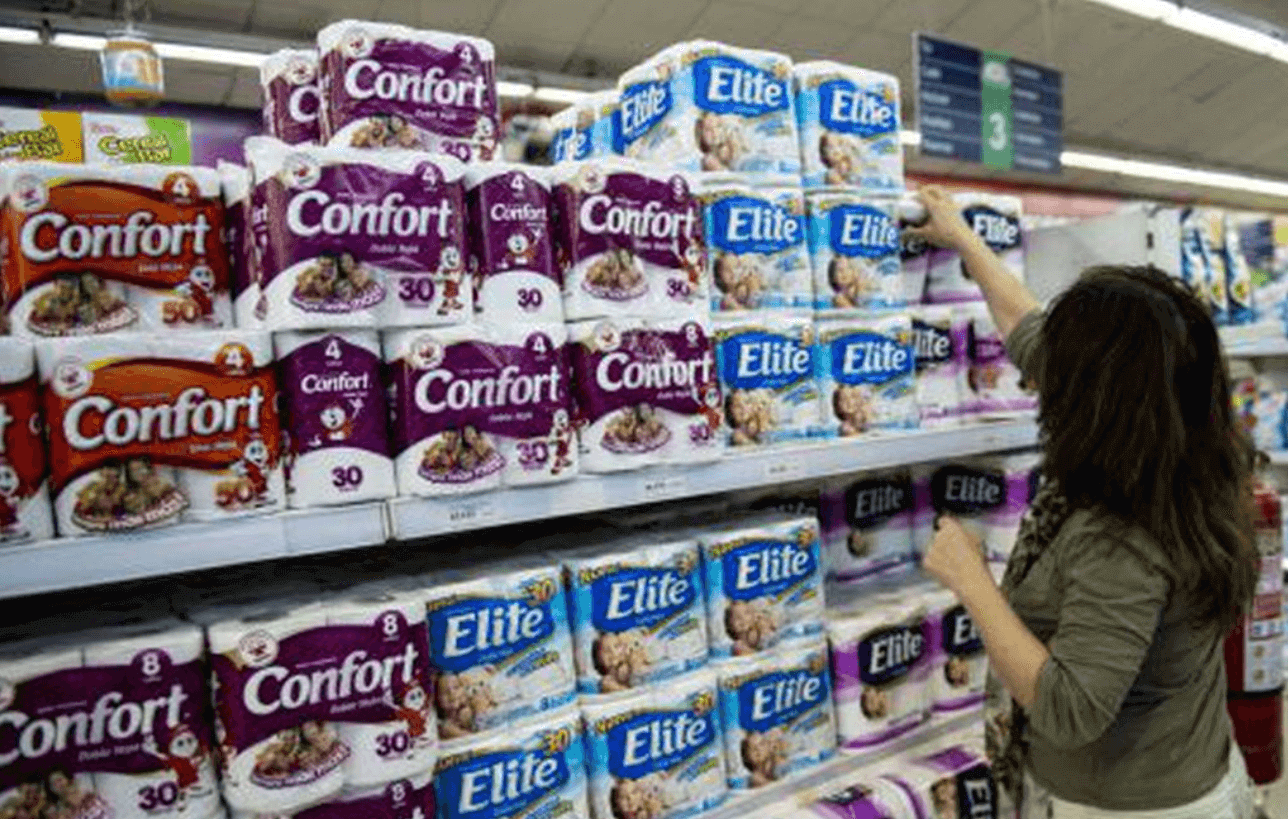
Private label tissue refers to tissue products that are manufactured by one company and sold under another company’s brand name. This means that the tissue products are not branded by the manufacturer, but rather by the retailer or distributor. Private label tissue can include a variety of products such as toilet paper, paper towels, and facial tissues.
Cost-Effective
One of the main reasons for the rise of private label tissue is its cost-effectiveness. Private label products are typically priced lower than branded products, making them a more affordable option for consumers. This is because private label products do not have the added costs of marketing and advertising that branded products do. As a result, consumers can save money without compromising on quality.
Quality Alternative
Private label tissue is often perceived as a lower quality alternative to branded products. However, this is not necessarily the case. In fact, many private label tissue products are manufactured by the same companies that produce branded products. The only difference is the branding and packaging. This means that consumers can get the same quality product at a lower price by choosing private label tissue.
Custom Packaging
Another reason for the rise of private label tissue is the ability for businesses to customize the packaging. This allows businesses to create a unique and eye-catching design that sets their products apart from competitors. Custom packaging also allows businesses to showcase their brand and create a sense of brand loyalty among customers.
Increased Control for Businesses
Private label tissue also offers businesses increased control over their products. By manufacturing their own private label tissue, businesses can ensure that the product meets their quality standards and specifications. This also allows businesses to have more control over the pricing and distribution of their products.
Growing Demand for Private Label Products
The demand for private label products, in general, has been steadily increasing in recent years. This is due to the changing attitudes of consumers towards private label products. Many consumers now view private label products as a viable and even preferable alternative to branded products. This shift in consumer behavior has led to an increase in the production and availability of private label tissue products.
Conclusion
Private label tissue offers a cost-effective and quality alternative to branded tissue products. With the ability to customize packaging and increased control for businesses, it is no surprise that the demand for private label tissue is on the rise. As consumers continue to seek out affordable and high-quality products, the popularity of private label tissue is expected to continue to grow.
Have you tried private label tissue before? Share your thoughts and experiences in the comments below.
Toilet paper is a household essential that is used by people all over the world. With the increasing demand for bathroom essentials, starting a toilet paper manufacturing business can be a profitable venture. How to start a toilet paper manufacturing business? In this article, we will discuss the steps you need to take to start your own toilet paper manufacturing business.
Why Start a Toilet Paper Manufacturing Business?
Toilet paper is a product that is used daily by people of all ages. It is a necessity in every household, making it a product with a high demand. This makes it a lucrative business opportunity for entrepreneurs. Additionally, the production process for toilet paper is relatively simple and can be done with minimal equipment, making it a cost-effective business to start.
High Demand for Bathroom Essentials
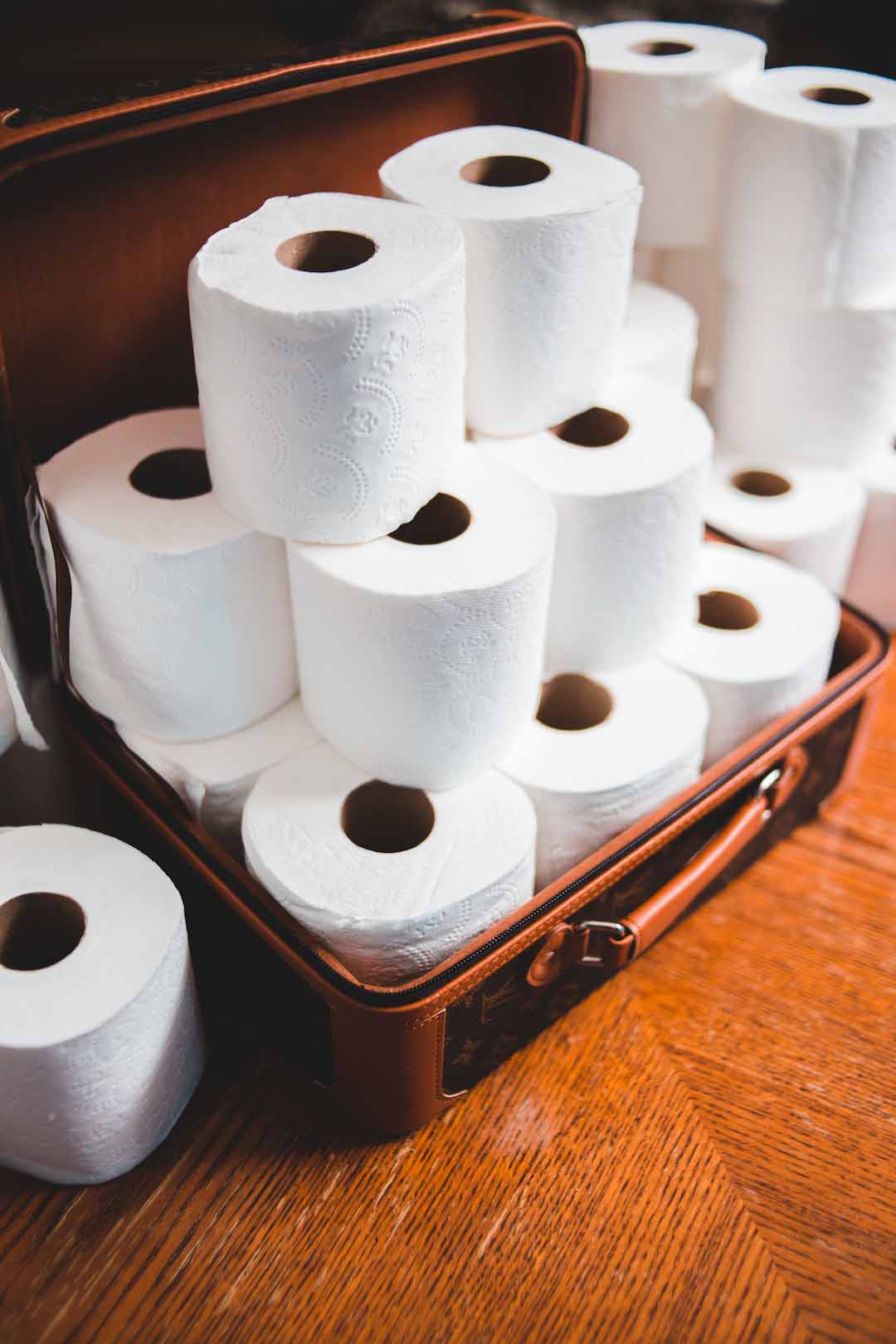
by Erik Mclean (https://unsplash.com/@introspectivedsgn)
The demand for bathroom essentials, including toilet paper, is constantly increasing. With the growing population and the need for hygiene, the demand for toilet paper is expected to continue to rise. This makes it a stable and profitable business to invest in.
Low Production Costs
The production process for toilet paper is relatively simple and can be done with minimal equipment. This means that the initial investment for starting a toilet paper manufacturing business is relatively low compared to other businesses. Additionally, the raw materials needed for production, such as wood pulp and water, are readily available and affordable.
Sustainable Business
Toilet paper is a product that will always be in demand, making it a sustainable business. As long as people continue to use bathrooms, there will be a need for toilet paper. This makes it a reliable and long-term business opportunity.
Steps to Start a Toilet Paper Manufacturing Business
Step 1: Research and Plan
Before starting any business, it is important to do thorough research and create a solid business plan. This will help you understand the market, competition, and potential challenges. Your business plan should include details such as your target market, production process, marketing strategies, and financial projections.
Step 2: Obtain Necessary Permits and Licenses
To start a toilet paper manufacturing business, you will need to obtain necessary permits and licenses from your local government. These may include a business license, tax registration, and health permits. It is important to research and comply with all regulations and requirements to avoid any legal issues in the future.
Step 3: Secure Funding
Starting a toilet paper manufacturing business will require an initial investment for equipment, raw materials, and other expenses. You can secure funding through personal savings, loans, or investors. It is important to have a detailed financial plan and budget in place to ensure you have enough funds to cover all expenses.
Step 4: Set Up Your Production Facility
Toilet paper is made in a paper mill, which is a factory that produces paper from wood pulp. You will need to set up your production facility in a location that is easily accessible for transportation of raw materials and distribution of finished products. The facility should also have enough space for storage and production equipment.
Step 5: Purchase Equipment and Raw Materials
The main equipment needed for toilet paper production includes a paper machine, rewinder, and cutting machine. You can purchase these machines from a supplier or opt for used equipment to save costs. Additionally, you will need to purchase raw materials such as wood pulp, water, and chemicals for the production process.
Step 6: Hire and Train Employees
To run a successful toilet paper manufacturing business, you will need to hire and train employees. This includes production workers, machine operators, and administrative staff. It is important to provide proper training to ensure the quality and efficiency of your production process.
Step 7: Market and Sell Your Products
Once your production process is up and running, it is time to market and sell your products. You can reach out to local retailers, supermarkets, and wholesalers to sell your toilet paper. Additionally, you can also create an online presence and sell your products through e-commerce platforms.
Tips for Success in the Toilet Paper Manufacturing Business
Conduct thorough research and create a solid business plan before starting your business.
Stay updated on industry trends and changes in demand.
Focus on producing high-quality products to build a loyal customer base.
Invest in marketing and advertising to reach a wider audience.
Continuously monitor and improve your production process to increase efficiency and reduce costs.
Conclusion
Starting a toilet paper manufacturing business can be a profitable venture with the right planning and execution. By understanding the market, securing necessary permits, and investing in quality equipment and raw materials, you can successfully start and run your own toilet paper manufacturing business. With the increasing demand for bathroom essentials, this business has the potential for long-term success and growth.
In today’s competitive market, it’s more important than ever for businesses to stand out and make a lasting impression on their customers. One effective way to do this is through the use of branded napkins. These simple yet powerful marketing tools can help boost brand awareness and customer engagement in a cost-effective way.
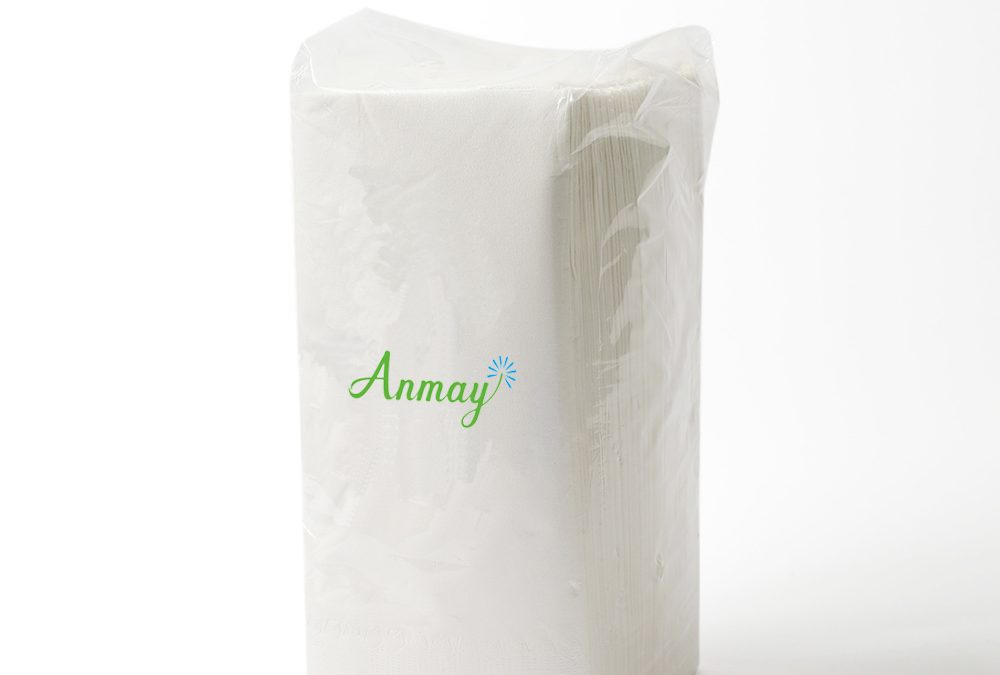
branded napkin
What are Branded Napkins?
Branded napkins are napkins that have a company’s logo or branding printed on them. They can be used in a variety of settings, from restaurants and bars to events and trade shows. These napkins serve a dual purpose – not only do they provide a functional use for customers, but they also act as a subtle yet effective marketing tool.
Boosting Brand Awareness
One of the main benefits of using branded napkins is the boost in brand awareness they provide. By having your logo or branding prominently displayed on a napkin, you are constantly reminding customers of your business. This is especially effective in settings where customers may be waiting or have downtime, such as at a restaurant or bar. Every time they reach for a napkin, they are reminded of your brand.
Customization Options
Branded napkins offer a wide range of customization options, making them a versatile marketing tool for any business. You can choose from a variety of colors, sizes, and materials to fit your brand’s aesthetic. You can also add your logo, slogan, or any other branding elements to make the napkins uniquely yours. This level of customization allows you to create a cohesive and memorable brand experience for your customers.
Cost-Effective Marketing
Compared to other forms of marketing, branded napkins are a cost-effective option for businesses of all sizes. They are relatively inexpensive to produce and can be ordered in bulk, making them a budget-friendly choice. Additionally, since they serve a functional purpose, they are less likely to be thrown away, providing long-term exposure for your brand.
Customer Engagement
Branded napkins can also help boost customer engagement. By incorporating interactive elements such as QR codes or social media handles, you can encourage customers to engage with your brand online. This can lead to increased brand loyalty and word-of-mouth marketing as customers share their experiences with others.
Versatility
Branded napkins are a versatile marketing tool that can be used in a variety of settings. They are not limited to just restaurants and bars, but can also be used at events, trade shows, and even in office settings. This versatility allows businesses to reach a wider audience and increase brand exposure.
Final Thoughts
In conclusion, branded napkins are a powerful marketing tool that can help businesses boost brand awareness and customer engagement in a cost-effective way. With their versatility, customization options, and ability to constantly remind customers of your brand, they are a valuable addition to any marketing strategy. Consider incorporating branded napkins into your marketing efforts and see the impact they can have on your business.